

Editorial stock photography and releases: a contributor’s guide
When you need a model or property release, how to get one, what to do when you cannot, and how Photofolio labels editorial-only work so it still sells.
A release turns an image you can only sell for editorial use into one you can sell for advertising — which is where the money is. This guide covers what you need, how to get it, and how to make the most of images you could not release.
Model releases
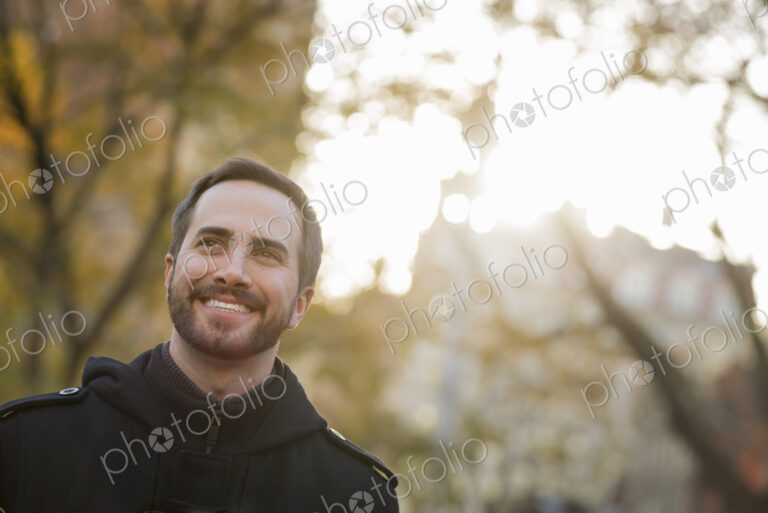
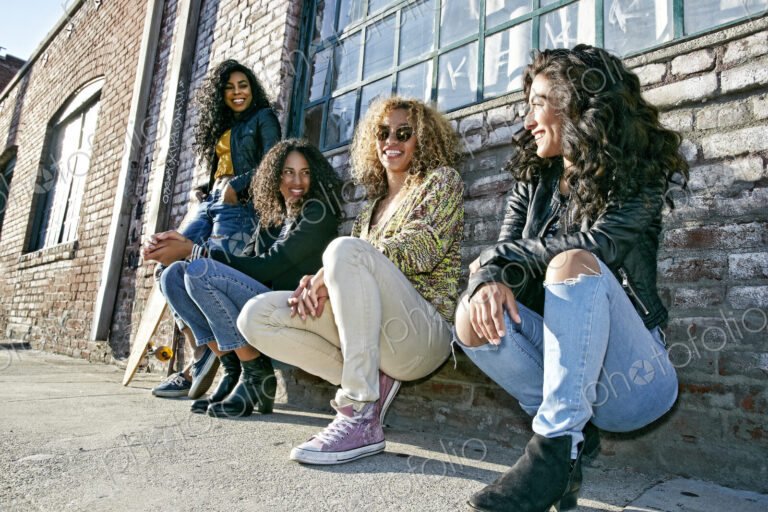
Needed for any recognisable person in an image intended for commercial use. ‘Recognisable’ is broad: face, distinctive tattoo, a name badge. Use a standard release form (we supply one in your dashboard), get it signed at the shoot, and photograph the signed form or use a release app. For under-18s a parent or guardian signs. Keep the release for as long as the image is on sale.
Property releases
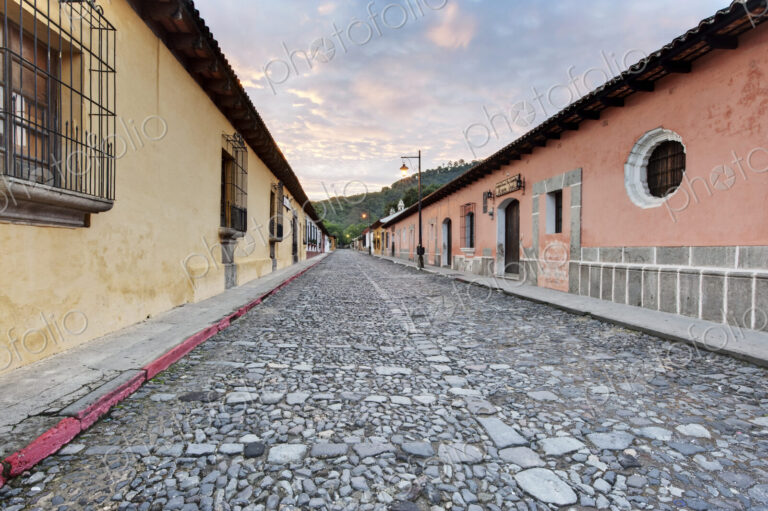
Needed for private property that is the main subject — a house interior, a named shop, a distinctive private building — when the use is commercial. Public streets and landmarks generally do not need one, but some venues (stadiums, galleries, some estates) have photography terms; check before you sell.
Editorial-only work
You do not need releases to sell editorial images: news, street, events, documentary. Upload them, tick ‘no release’, and we label them editorial-only. They sell to publishers, educators and journalists at the same rates. Do not try to pass unreleased people off as released — it exposes both of us.
Common mistakes
- A release that does not match the person or the shoot date.
- Releasing the adult but not the child in the same frame.
- Assuming a friend ‘won’t mind’. Get it in writing.
- Visible brands and logos: crop them, retouch them out, or accept editorial-only.
- Photographing private events without permission.
Uploading
Attach releases to the images they cover in the upload form. Images with releases are marked ‘commercial use’ on the site; the rest are marked editorial-only. Buyers filter on this, so accuracy directly affects your sales.
Your photos. Your 65%.
Upload once, sell forever. Non-exclusive, paid in pounds, no listing fees.